I’ve been working as a dental implant specialist in Egypt for over 10 years, and barely a week goes by (especially in Summer) without someone considering flying from the UK, the UAE, Saudi Arabia, Europe, or even the USA, asking the same question: “Is it really worth traveling to Egypt for dental implants?”
Here’s my honest answer: For the right patient, absolutely yes. This guide covers everything you genuinely need to know before booking that flight.
Why People Are Traveling to Egypt for Dental Implants
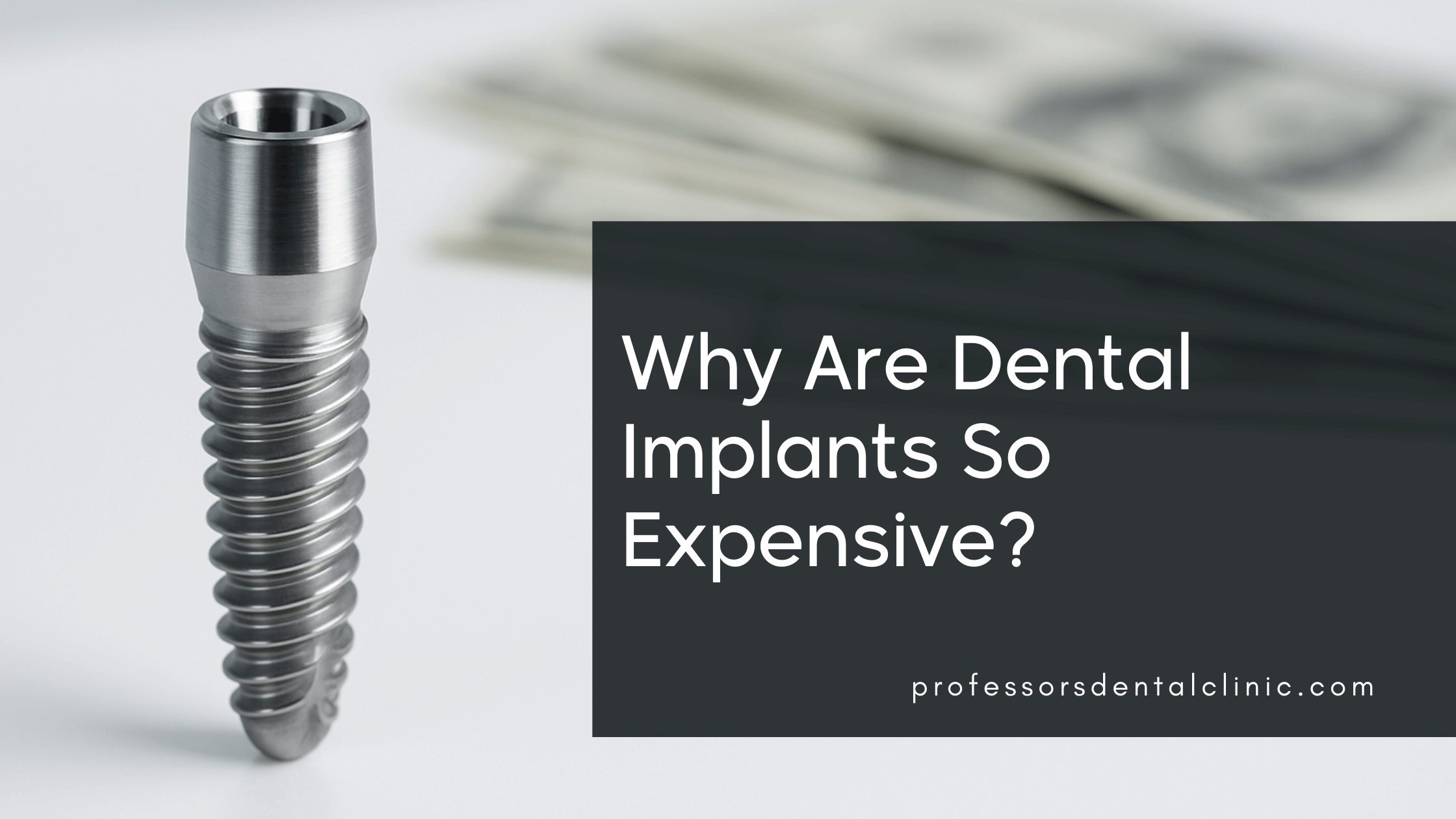
The numbers don’t lie. A single dental implant in the UK can cost anywhere from £2,000 to £3,500. In the US, you’re looking at $3,000–$6,000. In Egypt, at a clinic like ours using European or Swiss Straumann implants, the all-inclusive price, implant + crown, starts from around EGP 28,000 (approximately $530–$600 USD) for a European J Dental implant, and EGP 42,000 (~$800 USD) for a genuine Swiss Straumann implant with a 20-year guarantee.
That price difference is simply staggering. Even after flights and accommodation, most patients save 60–80% compared to their home country.
But here’s what many “dental tourism” articles don’t tell you: the savings mean nothing if the quality isn’t there. That’s why I want to focus on what separates a genuinely excellent implant experience from a cheap one that causes problems two years later.
What Makes Egypt a Smart Choice… Not Just an Affordable One
1. The Standard of Specialist Training Is Real
Egyptian dental schools, particularly Cairo University and Ain Shams University, are among the most academically rigorous in the region. Many Egyptian specialists hold international board certifications on top of their local degrees.
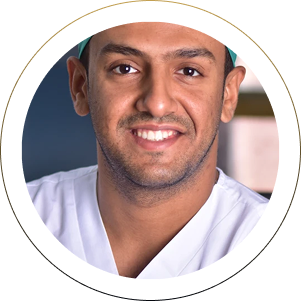
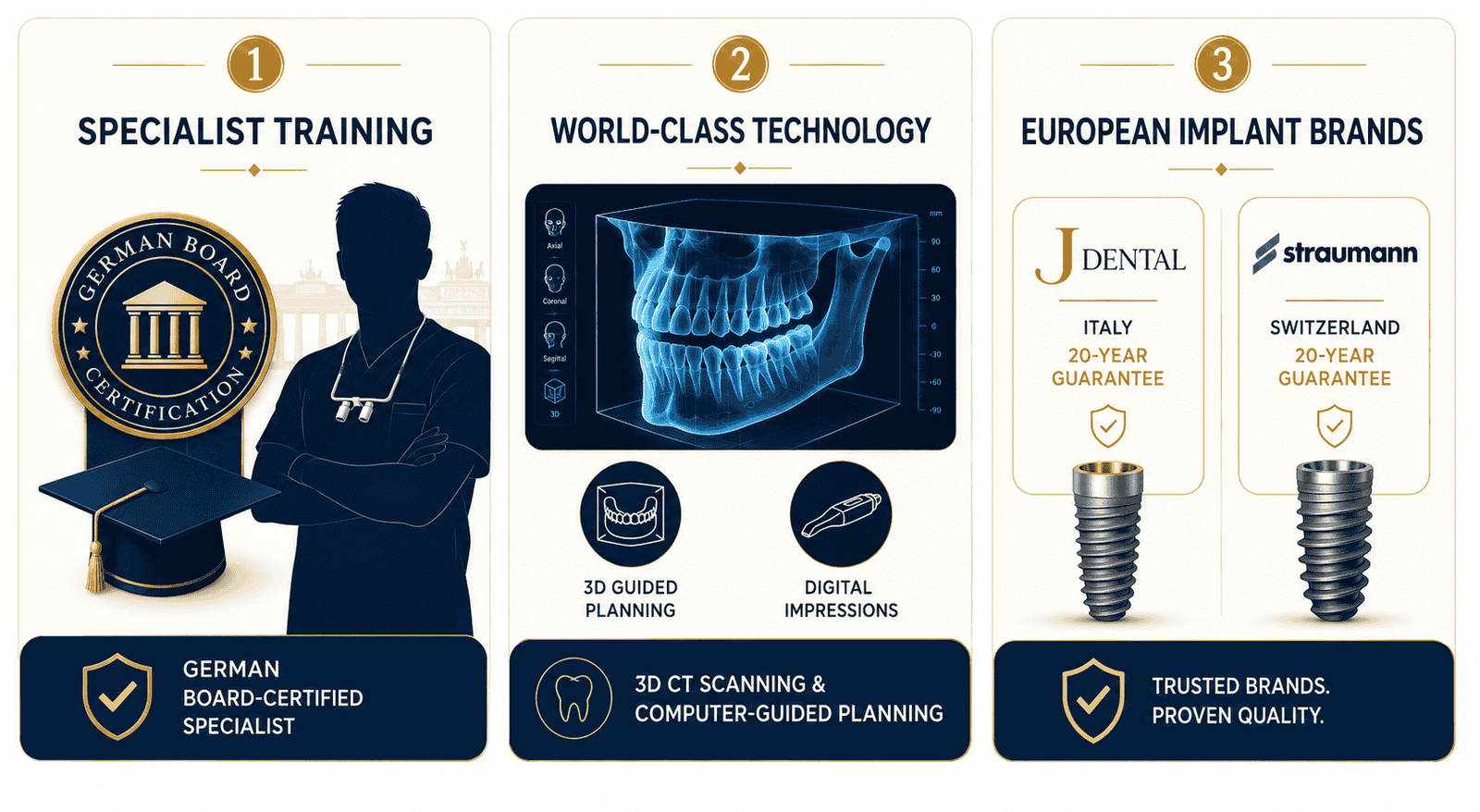
Personally, I hold the German Board in Dental Implantology and am specialised in immediate implant placement. My root canal expertise comes from a Master’s degree from Ain Shams University. When you sit in my chair, you’re not getting a general dentist moonlighting in implants, you’re getting a dedicated specialist.
2. The Technology Is Genuinely World-Class
At Professors Dental Clinic, we use 3D cone beam CT scanning and computer-guided implant planning before every implant procedure. This isn’t optional or an upsell, it’s how we ensure precision, avoid critical structures, and give you the most predictable outcome possible.
We also offer digital impressions for crown fabrication, which are both more comfortable and more accurate than traditional putty impressions.
3. The Implant Brands Are the Same Ones Used in Europe
This is the big one. Some clinics in dental tourism destinations use unbranded “local” implants with no traceability, no clinical data, and no international warranty. We don’t.
At our clinic, we offer:
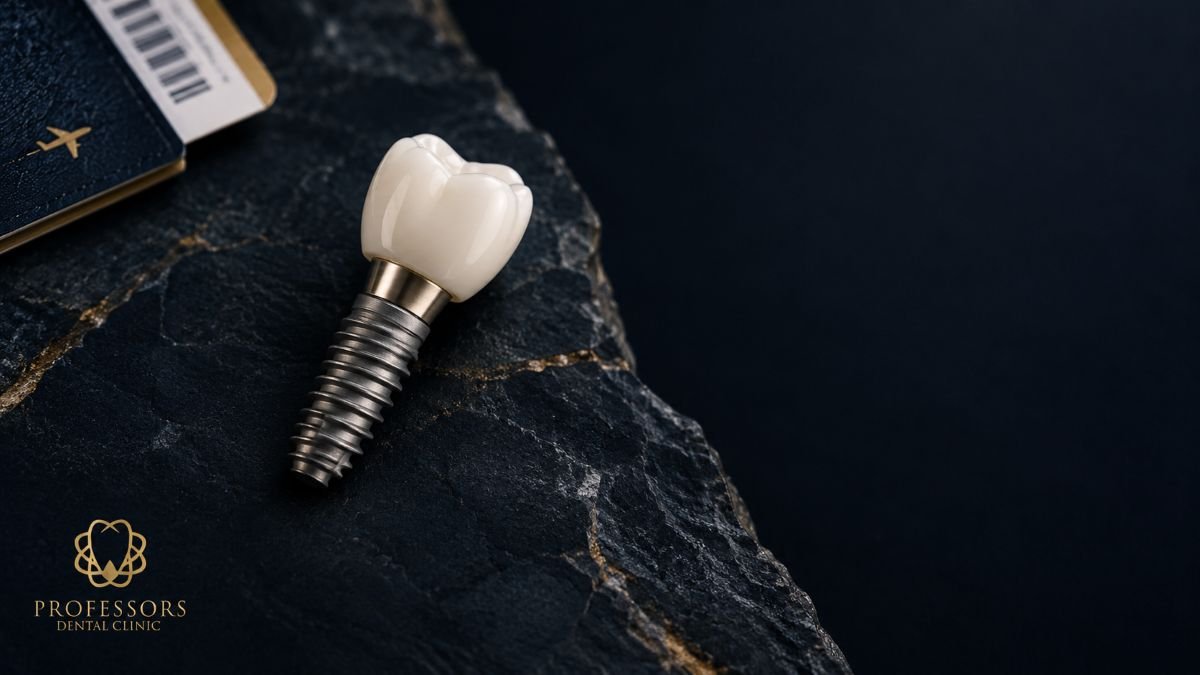
- European J Dental Implants: Italian-made, proven osseointegration, 20-year guarantee (all-inclusive with crown: EGP 28,000)
- Swiss Straumann Implants: globally recognised as among the best implants available anywhere in the world, 20-year guarantee (all-inclusive with crown: EGP 42,000)
The crown options are equally serious: German Zirconia crowns with a 10-year guarantee, and Swiss IPS e.max crowns (by Ivoclar Vivadent) for the ultimate in aesthetics and longevity.
FREE CONSULTATION
Planning a Trip to Egypt for Dental Implants?
Send us your X-ray or CT scan and I'll personally review your case, give you an honest treatment plan, and tell you exactly what to expect — before you book anything.
💬 WhatsApp Dr. Ahmed KassabProfessors Dental Clinic · Twin Tower, Sheikh Zayed, Giza
What the Procedure Actually Involves
Understanding the process helps you plan your trip properly.
Step 1: 3D CT Scan & Treatment Planning: Before anything else, we take a 3D cone beam CT scan to assess your bone volume, quality, and anatomy. This scan guides the entire procedure and determines whether bone grafting or a sinus lift is needed.
Step 2: Implant Placement: The implant (the titanium screw that replaces the root) is placed under local anaesthesia. Most patients describe the procedure as far less uncomfortable than they expected; some compare it to a simple extraction.
Step 3: Healing & Osseointegration: The implant needs 3–6 months to fuse with the jawbone, a process called osseointegration. During this period, a temporary crown can be placed so you’re never walking around with a gap.
Step 4: Permanent Crown Placement: Once the implant has fully integrated, your permanent Zirconia or e.max crown is placed. This is the part that looks and feels like a real tooth.
Planning your trip around this: Many international patients come for the implant placement first, return home during healing, then come back for the crown. Some choose to do everything in one extended visit. We work around your schedule. Just reach out and we’ll build a treatment timeline that works for you.
The “Immediate Implant” Option: What It Means for Travelers
One of my clinical passions is immediate implant placement, placing the implant on the same day as an extraction, often with a provisional crown fitted the same day too.
For patients traveling internationally, this is a game-changer. It significantly compresses the number of visits needed and means you can sometimes complete your treatment in far fewer trips. Not every case qualifies (bone quality and infection status matter enormously), but during your consultation I’ll tell you immediately whether you’re a candidate.
Practical Considerations for International Patients
How Long Do You Need to Stay?
For a straightforward single-implant case where immediate placement isn’t needed:
- First visit: 3–5 days minimum (CT scan, planning consultation, implant surgery, recovery)
- Second visit: 2–3 days (crown fitting and final review)
If you’re doing multiple implants, a full arch restoration, or complex bone grafting, plan for a longer first stay.
Is Egypt Safe to Visit for Medical Tourism?
Cairo is an active, vibrant city with good international hotels, hospitals, pharmacies, and transport links. Sheikh Zayed in particular is a modern, upscale district that international visitors find comfortable and easy to navigate. Our clinic is located in the Twin Tower complex, easy to reach from major hotels by taxi or rideshare.
Can I Trust the Warranty?
This is a fair and smart question. Our 20-year implant guarantee is backed by the implant manufacturer (J Dental and Straumann both have international warranty programmes), and our clinic maintains detailed digital records of your case. Should anything need to be addressed, we work with patients remotely first, and if a follow-up visit is needed, we’ll guide you through every step.
What About Aftercare Once I’m Home?
You’ll receive full written post-operative instructions, a digital copy of your treatment records, and direct WhatsApp access to our team for any questions after you leave. A qualified dentist in your home country can manage routine follow-ups with your records in hand.
Who Is a Good Candidate for Dental Implants?
Implants aren’t right for everyone, and I’d rather give you the honest picture than oversell the procedure.
Good candidates typically:
- Have a missing tooth or teeth (or teeth that need extraction)
- Have adequate bone volume and density (or are willing to do bone grafting)
- Are non-smokers or light smokers willing to stop during healing
- Have controlled blood sugar if diabetic
- Are committed to good oral hygiene long-term
Cases that need careful evaluation first:
- Active gum disease (periodontitis) must be treated before implant placement
- Significant bone loss (may need grafting or a sinus lift)
- Uncontrolled systemic conditions
- Heavy smokers
The consultation and 3D scan will tell us everything we need to know. I’ve placed implants in patients who were told elsewhere they “don’t have enough bone”. Often, the 3D scan shows more than a 2D X-ray does.
A Note on Quality vs. Price: The False Economy Problem
I want to address something I see too often. Some clinics advertise implants for extraordinarily low prices, sometimes half of what we charge. In my experience, these prices usually reflect one of three things: an unbranded implant with no verifiable track record, a general dentist performing specialist-level surgery, or corners cut on diagnostics (no 3D scan, no proper treatment planning).
A failed implant doesn’t just cost money to fix, it costs bone. And bone loss is cumulative and sometimes permanent. The price difference between a Swiss Straumann and an unbranded implant might be a few hundred dollars. The cost of a failed implant and subsequent bone graft can be many thousands, and the timeline stretches by years.
I’m not saying every affordable implant is a bad one. I’m saying that price alone is a dangerously incomplete metric. Ask about the brand, ask to see the implant packaging, and ask about your surgeon’s specific implant training and case volume.
Why Professors Dental Clinic Specifically?
I’ll let the work speak for itself more than I’ll let the marketing. But a few facts worth knowing:
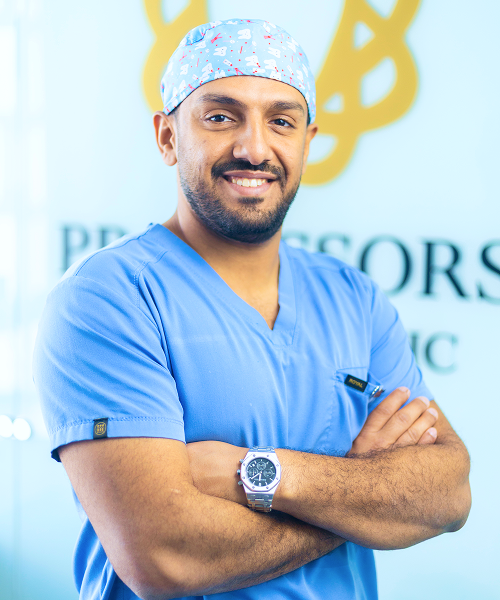
- Implant specialist on-site: I (Dr. Ahmed Kassab) hold the German Board in Dental Implantology and focus exclusively on implants and surgical procedures. This isn’t a general clinic doing implants on the side.
- 3D imaging and computer-guided planning as standard, not an add-on.
- Two certified implant brands available: European J Dental and Swiss Straumann, so you can choose the specification that fits your needs and budget.
- 20-year guarantee on implants: one of the strongest warranties offered anywhere.
- Comprehensive team under one roof: our prosthodontist, Dr. Ahmed Khafagi (Master’s in Dental Prosthetics, Cairo University), handles your crown fabrication and fitting with the same level of specialist attention.
Ready to Take the Next Step?
Get Your Free Implant Assessment
Send your X-ray or scan directly to Dr. Ahmed Kassab on WhatsApp. We'll review your case, answer your questions, and give you a clear, no-obligation cost estimate — usually within 48 hours.
📋 Send My X-Ray on WhatsAppProfessors Dental Clinic · Clinic M, Building C, Twin Tower · Sheikh Zayed, Giza Governorate
Frequently Asked Questions
Will I be in pain during or after the procedure?
The procedure itself is performed under local anaesthesia, and you’ll feel pressure but not pain. Post-operative discomfort is typically mild to moderate for 2–3 days and is well-managed with standard over-the-counter pain relief. Most patients are surprised by how manageable it is.
Can I get implants on both arches in one visit?
Yes, in most cases. We often treat multiple implants in a single surgical session. For a full arch case (All-on-4 or similar), we’ll plan this carefully depending on your bone and general health.
Do I need a referral?
No. You can contact us directly to start the process. Send us a recent panoramic X-ray or CT scan via WhatsApp and we’ll give you an initial assessment within 24–48 hours.
What if something goes wrong after I go home?
This rarely happens, but if it does, we’re available via WhatsApp for clinical guidance and can coordinate with a local dentist in your country using your digital treatment records. In the extremely unlikely event of implant failure within the warranty period, we will address it.
How soon can I eat normally after the procedure?
For the first week, soft foods only. After that, you can progressively return to a normal diet. With a permanent crown on a fully integrated implant, there are no long-term dietary restrictions.